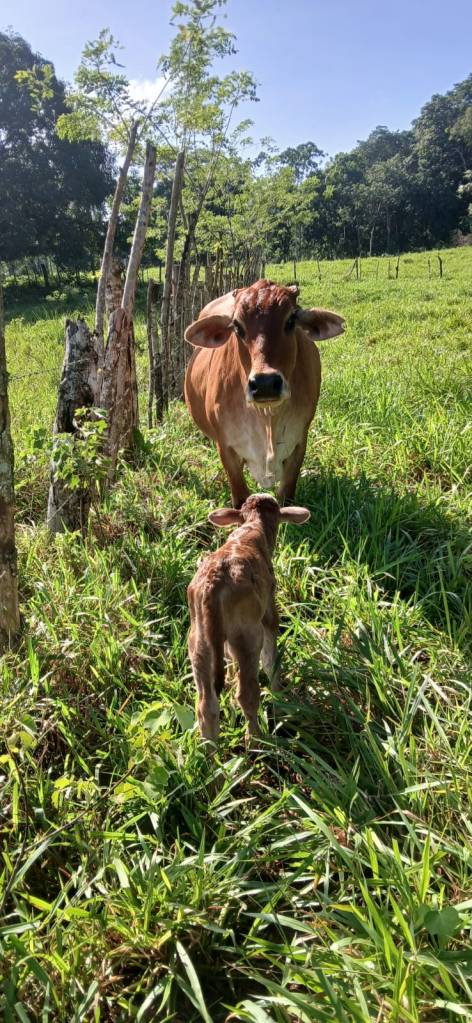
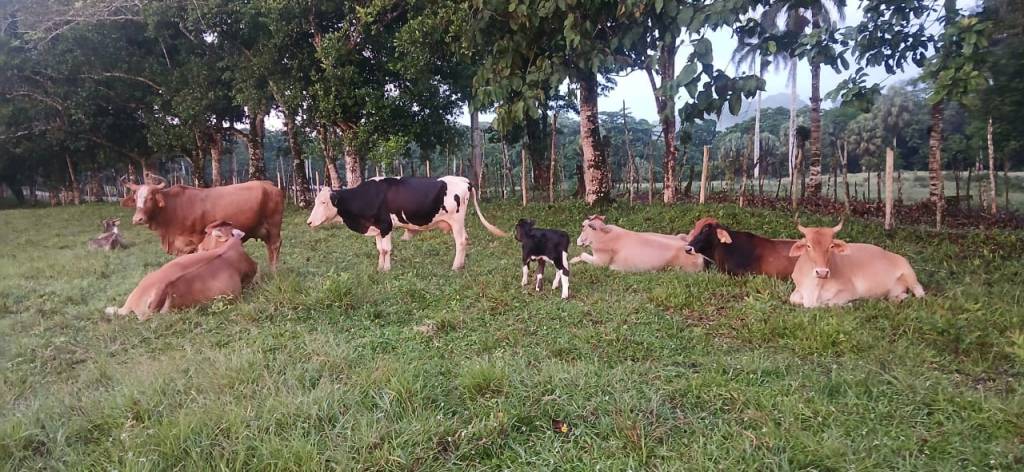
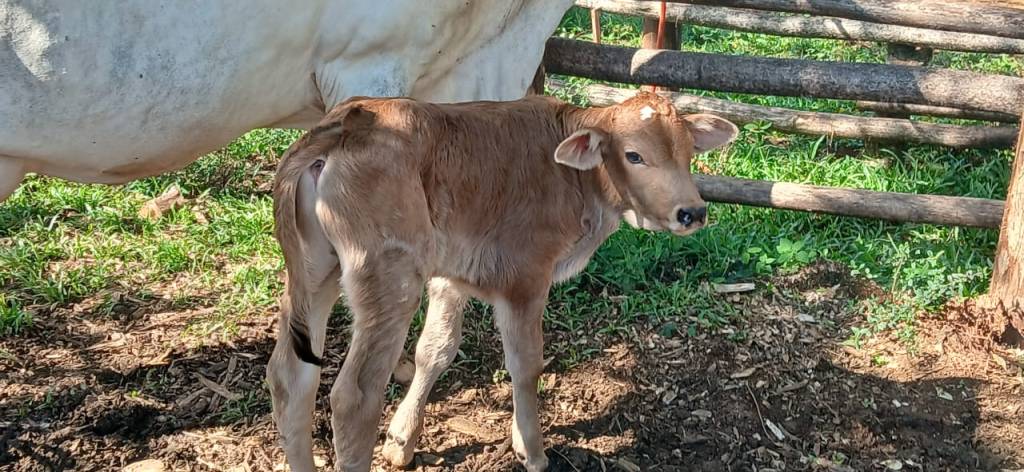
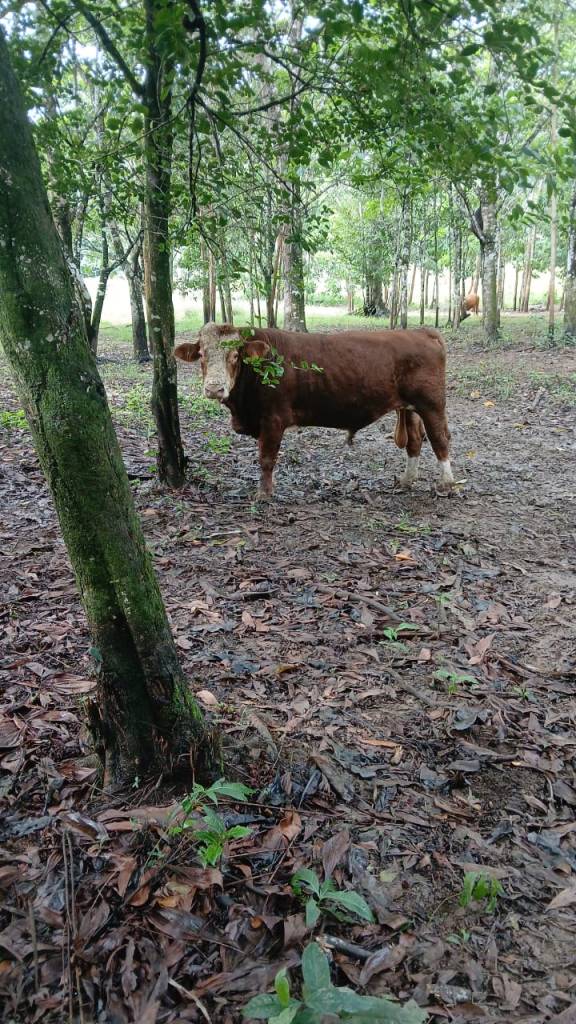
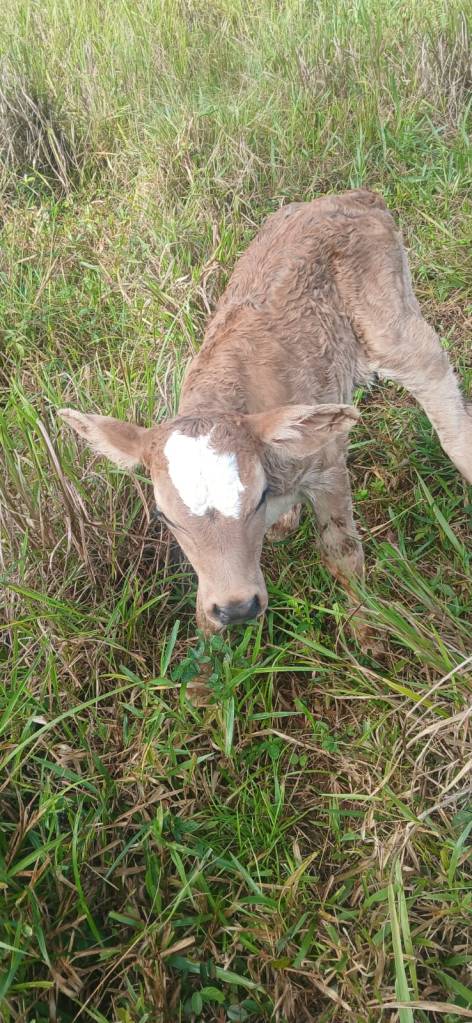
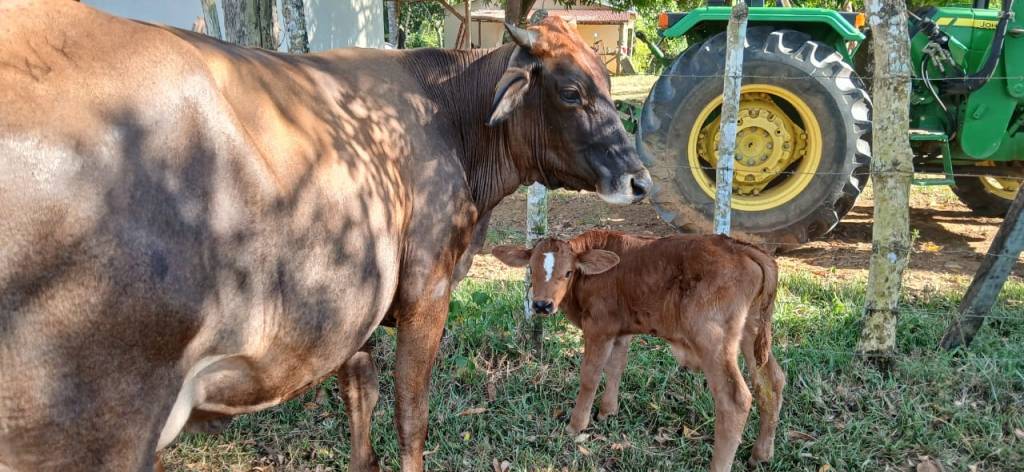
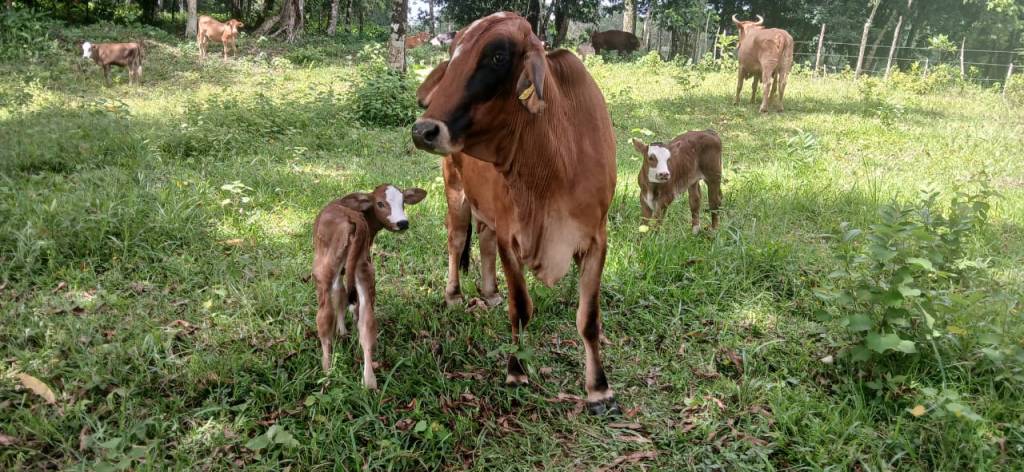
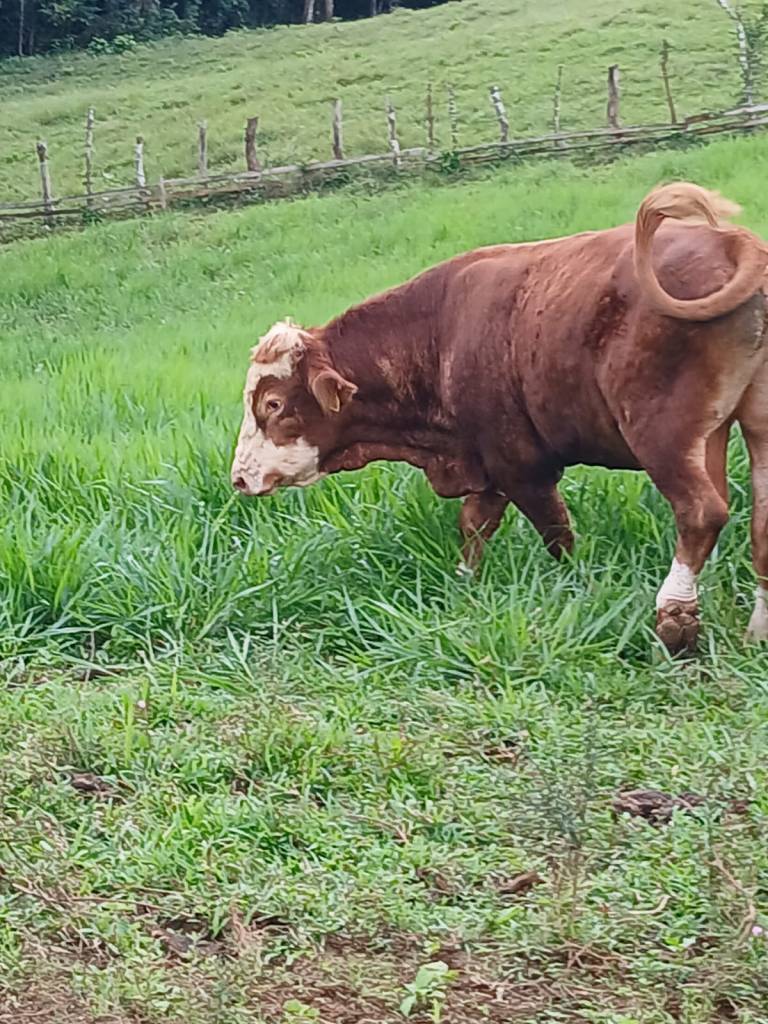
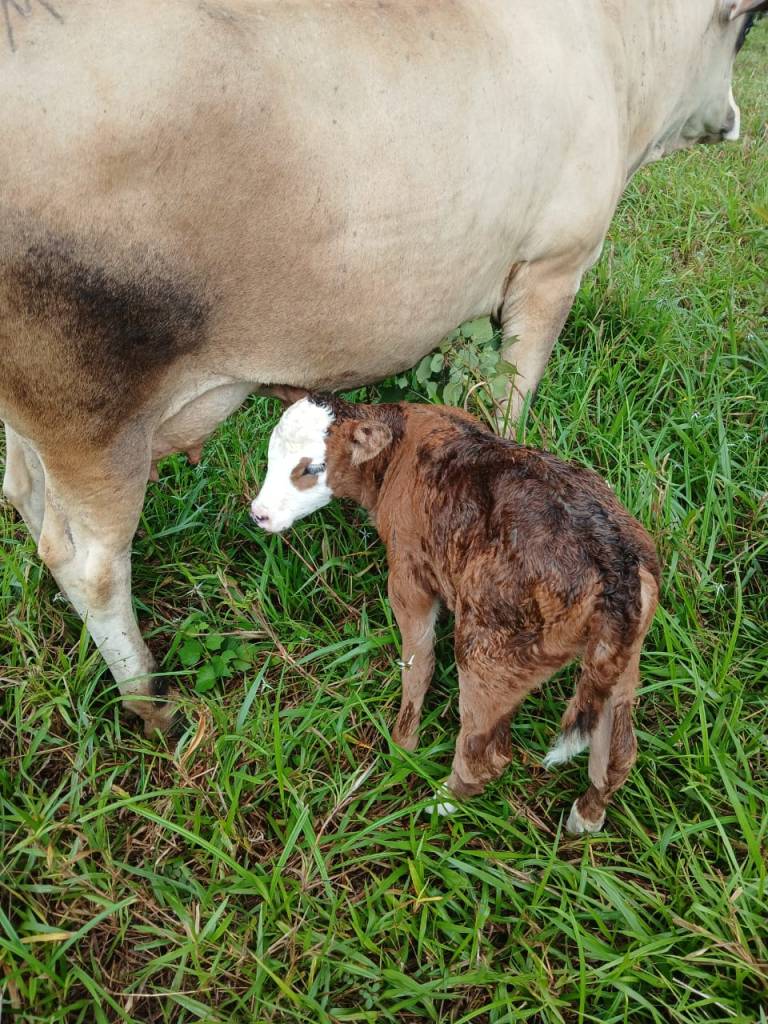
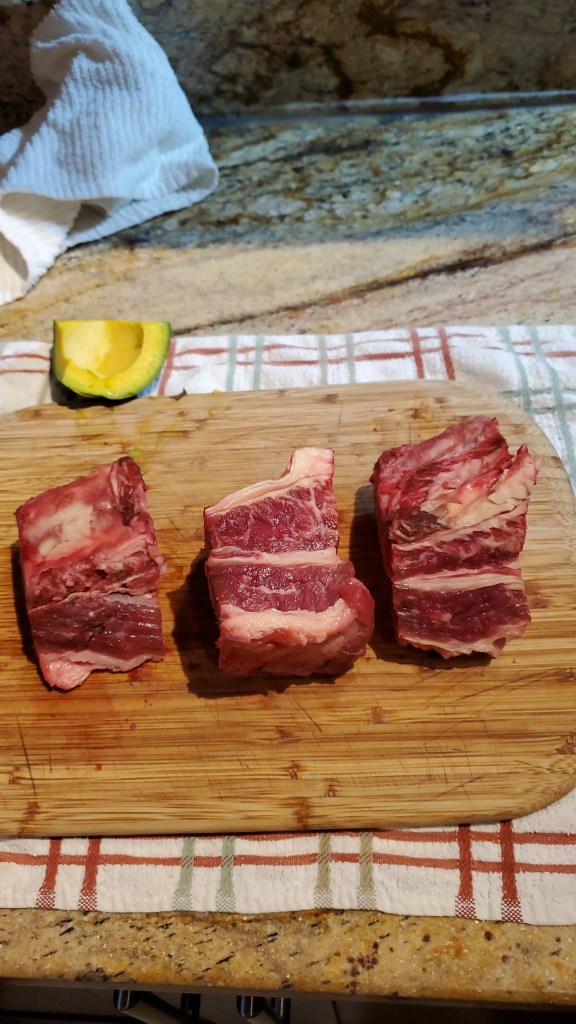
When I first bought the farm in 2017 and took possession on November 1st the grasses were super short and there were many spaces of bare dirt between but shortly after the plants began to grow out of control. That was when I learned my first lesson in farming. I needed cattle. I bought 5 males to begin with but it was not enough. I then bought 12 heifers from my neighbor Sergio Nunez who has the farm to the west. I was using a bull from the first 5 to mate with the 12 females. All of these animals are considered creole which is basically a non breed. I read that originally the cows brought to the island were Texas longhorns. Since they have been mated with many different breeds including brahma which is an island favourite and promoted by the government because of their qualities of durability and adaption to tropical climates. During this time I was distracted by the idea of having everything, including pigs and chickens but soon learned that these were susceptible to disease. I experienced swine flu and bird flu and realized that the logical choice was cows as they are far less trouble and far more beneficial to the farm. About midsummer of 2022 I sold the bull I was using and decided to try to improve the quality of the herd by searching for a pure-bred bull. After a lot of searching without success I tried artificial insemination which resulted in 7 heifers and 1 male which were about 65 percent Simmental. About that same time I found a pure Simmental bull for sale near Jarabacoa and brought him to the farm. So from then to present, El Toro de la Loma, fancy name on the papers, has sired 11, 7 males and 4 females, all of which look considerably more pure than the calves from the insemination. Soon he will be able to mate with the 7 females produced by the artificial insemination which should result in almost pure offspring. The objective is to create a herd of cattle that result in quality meat similar to that which is found in Canada, which is marbled with fat and tender. The creole cows do not have these qualities and meat is generally tough. The cattle of the Simmental breed would have these qualities and as they are raised on my farm would also meet the criteria of grass fed quality meat as sold in Whole Foods. I do not sell milk from the farm. The calves are fed mother’s milk until weaned. We do harvest enough milk for the employees and their families and for myself. We also make cheese from raw grass fed milk, namely queso herbido, boiled cheese or cheese balls and queso blanco, white cheese that can be fried, which are local favourites. At home I also make cottage cheese as well.
En español
Ganado
Cuando compré la finca en 2017 las hierbas estaban muy cortas y había muchos espacios de tierra expuesta, pero poco después las plantas comenzaron a crecer sin control. Ahí aprendí mi primera gran lección: necesitaba ganado. Compré 5 machos para empezar, pero no era suficiente. Luego compré 12 novillas a mi vecino Sergio Núñez, cuya finca está al oeste. Usaba un toro de los primeros 5 para aparear las 12 hembras. Todos estos animales eran criollos, básicamente sin raza definida. Leí que originalmente las vacas traídas a la isla eran tipo Texas Longhorn, y que con los años se mezclaron con muchas razas, incluyendo Brahma, muy popular en la isla por su resistencia y adaptación al clima tropical.
En ese tiempo me distraía la idea de tener de todo incluyendo cerdos y gallinas, pero aprendí rápido que son muy susceptibles a enfermedades. Pasé por gripe porcina y gripe aviar, y entendí que lo más lógico era trabajar con vacas: menos problemas y mucho más beneficio. A mediados de 2022 vendí el toro que tenía y decidí mejorar la calidad del hato buscando un toro puro. Después de mucha búsqueda sin éxito, intenté inseminación artificial, lo que produjo 7 hembras y 1 macho con
aproximadamente 65 por ciento de genética Simmental. En ese tiempo encontré un toro Simmental puro cerca de Jarabacoa y lo traje a la finca. Desde entonces El Toro de la Loma ha producido 11 crías, 7 machos y 4 hembras, todas mucho más puras que las de la inseminación. Pronto podrá aparearse con las 7 hembras nacidas por inseminación, lo que dará crías casi puras.
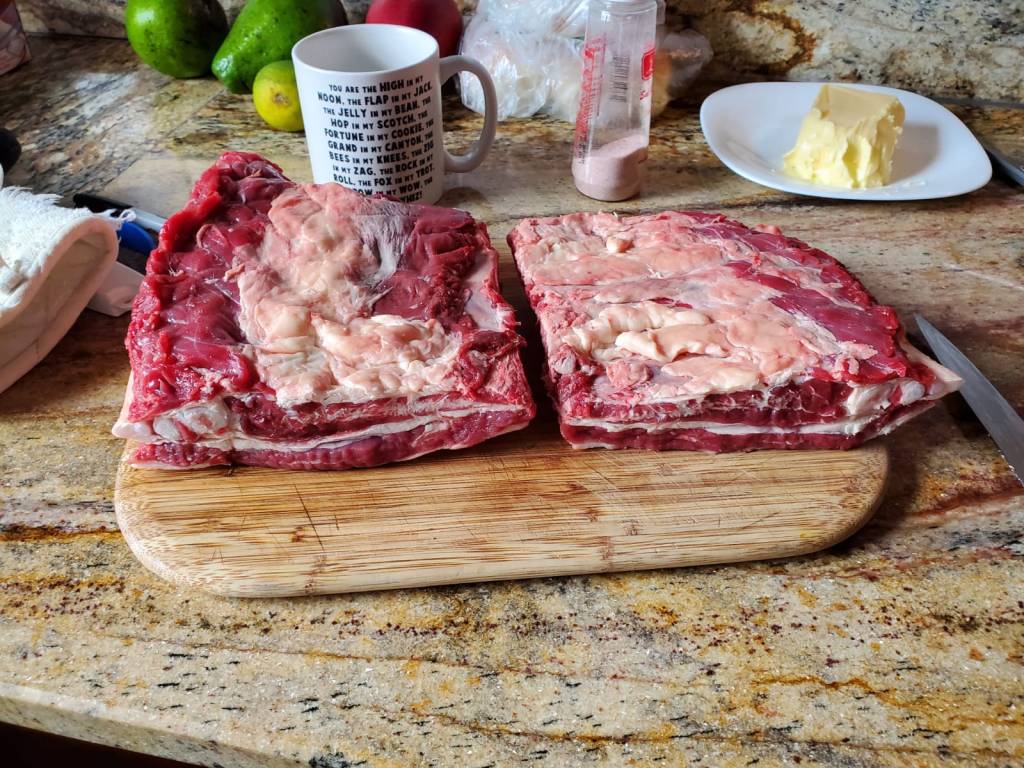
Mi objetivo es crear un hato que produzca carne de calidad similar a la de Canadá, marmoleada y tierna. Las vacas criollas no tienen esas cualidades. Las Simmental sí, y al criarlas aquí serían carne grass fed como la que venden en Whole Foods.
No vendo leche. Los becerros toman leche materna hasta el destete. Solo recolectamos lo suficiente para los empleados, sus familias y para mí. También hacemos queso hervido, bolitas de queso y queso blanco, y en casa preparo cottage cheese.




 Permaculture Farm